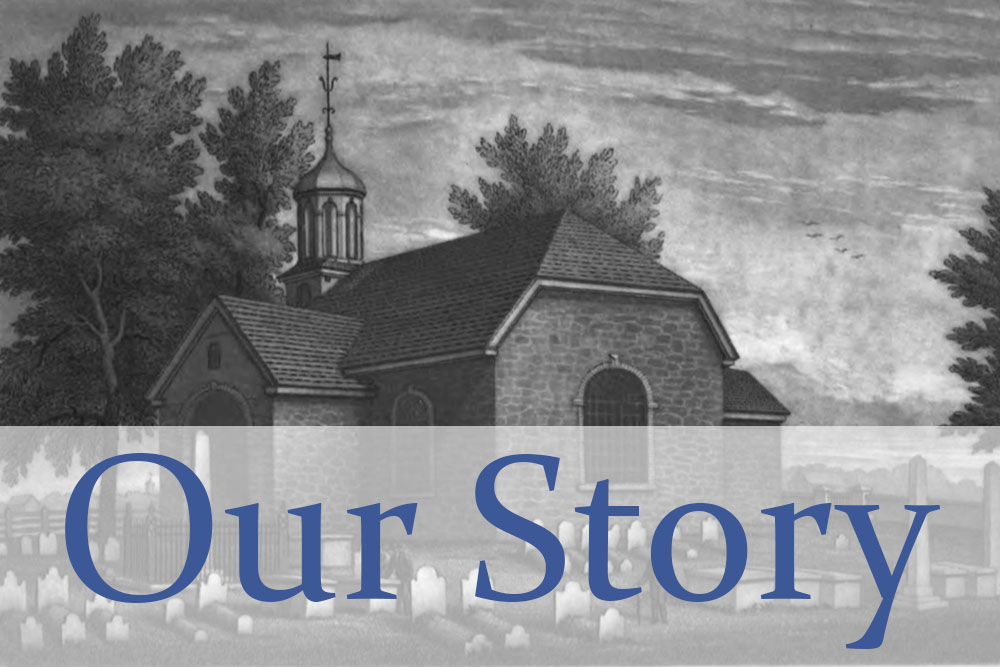
A Digital History
Eight chapters.
One ground.
Scroll through nearly four centuries — with photographs, maps, primary documents, audio narration, and video. Each chapter opens onto the next.
Chapter I · New Sweden
1638
The Founding
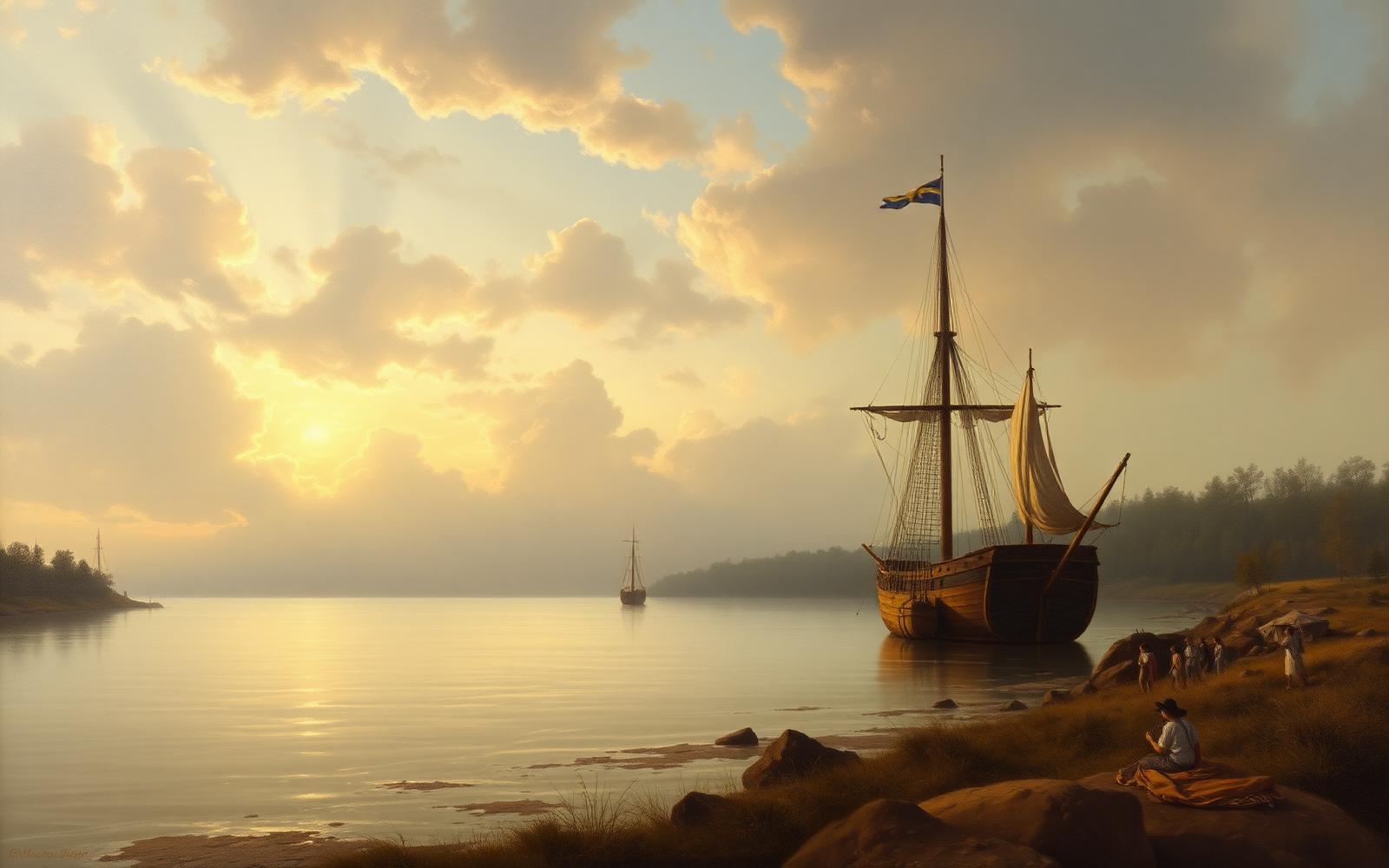
Swedish and Finnish colonists step ashore at The Rocks on the Christina River, planting the flag of a colony that would last just seventeen years — and shape this ground forever.
- Photos
- Illustration
- Map
- Story
- Primary Document
- Audio Narration
- QR
Reading
The Kalmar Nyckel and Fogel Grip landed in the spring of 1638. Governor Peter Minuit negotiated with Lenape leaders for a stretch of land along the Delaware. Within weeks, Fort Christina rose above the rocks.
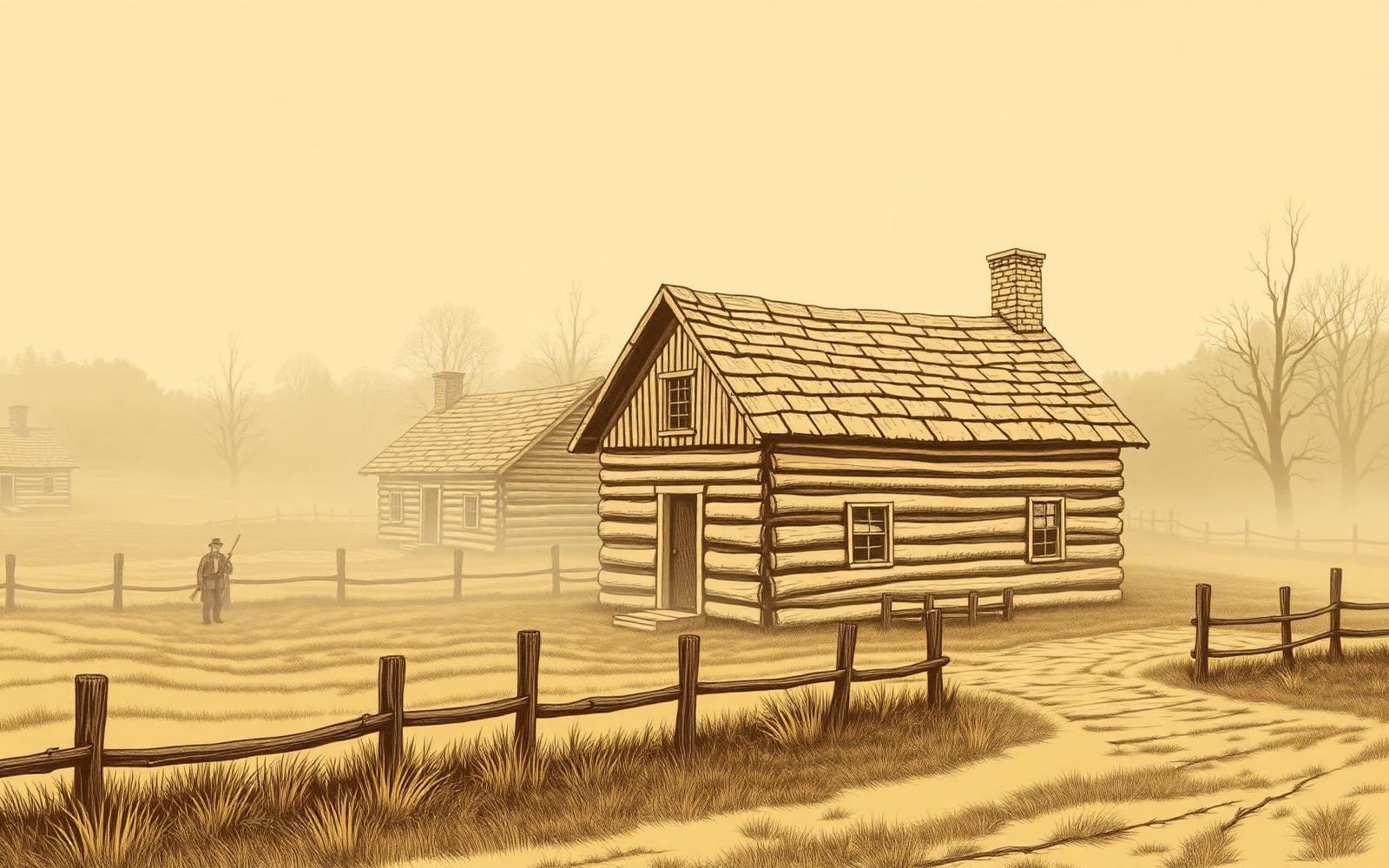
The colony was small — never more than a few hundred settlers — but it introduced the log cabin to America and built the first Lutheran congregations in the New World.
A Story
The Rocks
For the Lenape, the outcrop was a fishing place long before it had a Swedish name. For the colonists, it was a landing. Both truths sit on the same stone.
Chapter II · A Congregation Endures
1655–1750
Colonial America
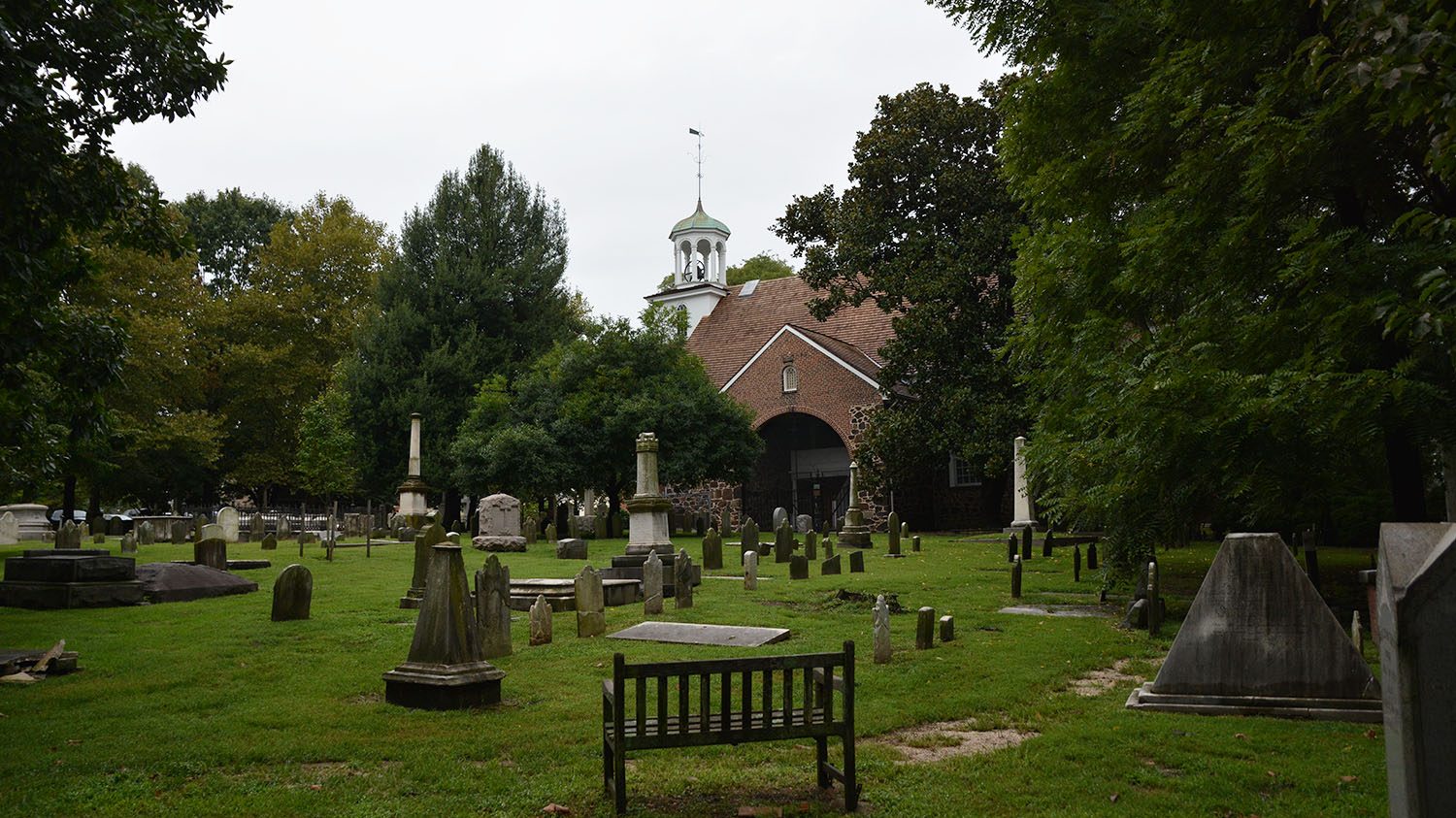
New Sweden falls to the Dutch and then the English, but the Swedish community stays. In 1698 they lay the cornerstone of Holy Trinity — a stone church built to last centuries.
- Photos
- Illustration
- Story
- Audio Narration
- QR
Reading
After the colony's political end, Swedish Lutheran life continued around a log meeting house on this ground. By the 1690s the congregation needed something permanent.
Consecrated on Trinity Sunday 1699, the stone church still stands as originally built — one of the oldest church buildings in North America in continuous use.
A Story
Cornerstone, 1698
Master builder Joseph Yard cut the sandstone. Congregants hauled it from local quarries by ox cart. The walls rose in a single season.
Chapter III · A New Nation
1775–1783
Revolutionary War
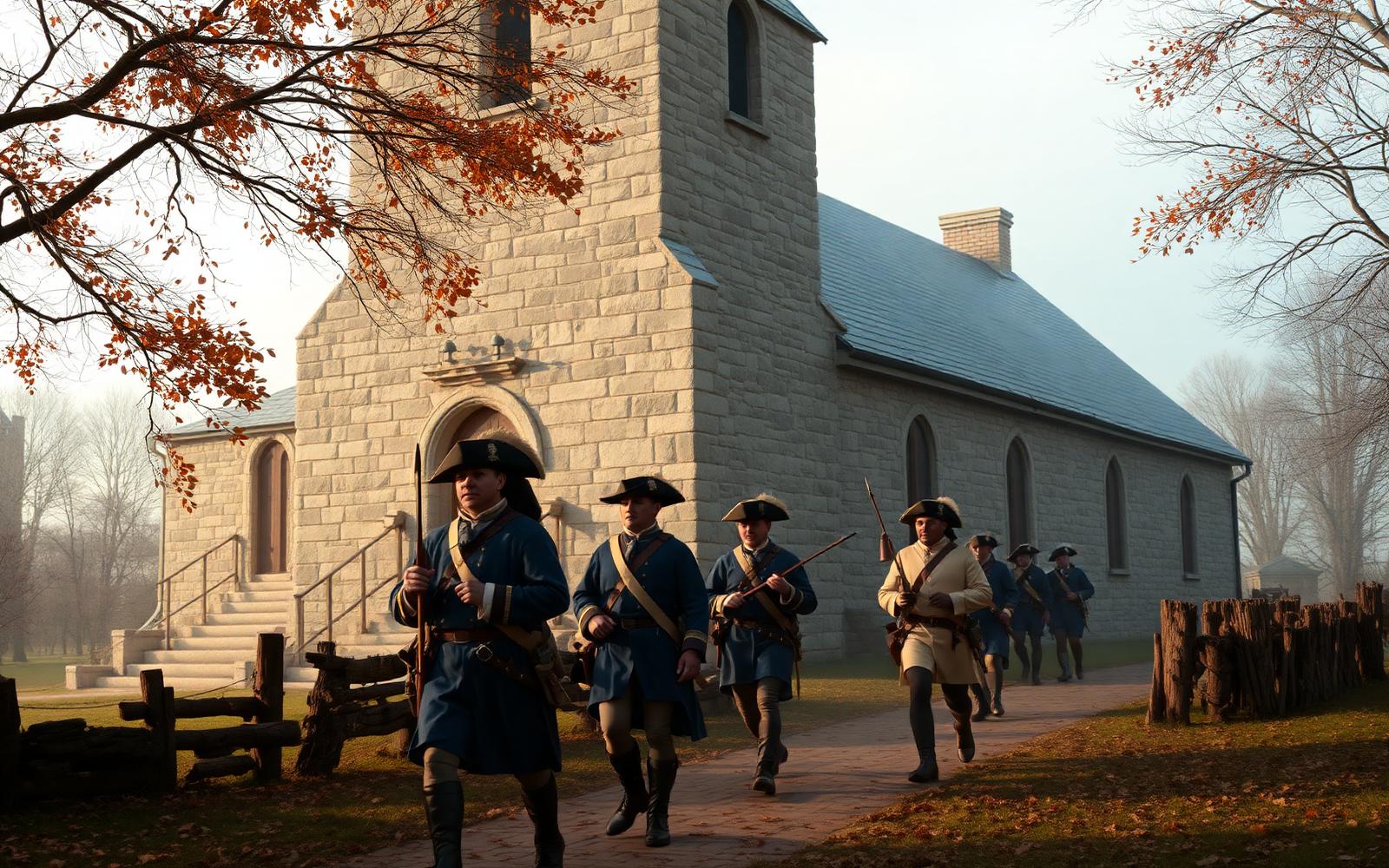
As Continental and British armies moved through the Brandywine Valley, Old Swedes served the wounded, buried the dead, and held its congregation together through a war fought at its doorstep.
- Photos
- Illustration
- Story
- Audio Narration
- QR
Reading
In September 1777 the Battle of Brandywine sent soldiers past this church. Some are buried in the graveyard, their names on stones and in ledgers we still read.
Through it all, worship continued — in Swedish, then increasingly in English — as the congregation navigated a new republic.
A Story
The Militiaman's Stone
A worn marker in the northwest corner of the burial ground names a private of the Delaware Militia, killed at Brandywine. His descendants still visit.
Chapter IV · A House Divided
1861–1865
Civil War
Delaware, a slave state that stayed in the Union, sent soldiers to both armies. The burial ground filled with their names. The pews filled with their families.
- Photos
- Story
- Primary Document
- Audio Narration
- QR
Reading
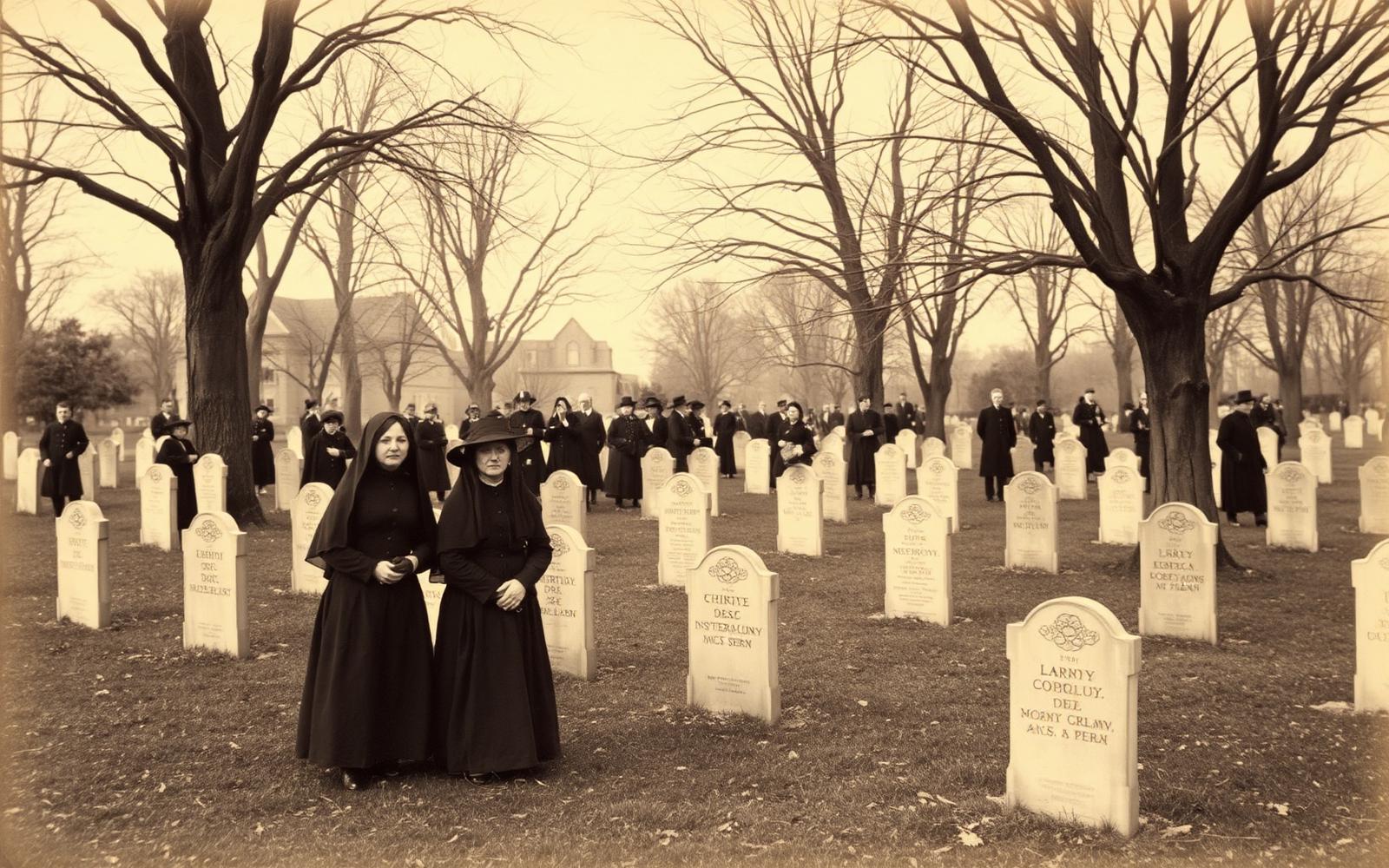
Old Swedes' registers from the 1860s record christenings, marriages, and funerals in the shadow of the war. Wilmington's shipyards and powder mills, only a mile away, fueled the Union effort.
In 1791 the congregation had already transitioned from Swedish Lutheran to Episcopal, but the community — Swedish descendants, free Black families, Irish and German neighbors — remained.
A Story
In the Ledger
A single page from 1863 lists three burials from Chancellorsville, two baptisms of children born to soldiers away at the front, and one marriage that would not last the year.
Chapter V · The City Rises
1870–1920
Industrial Wilmington
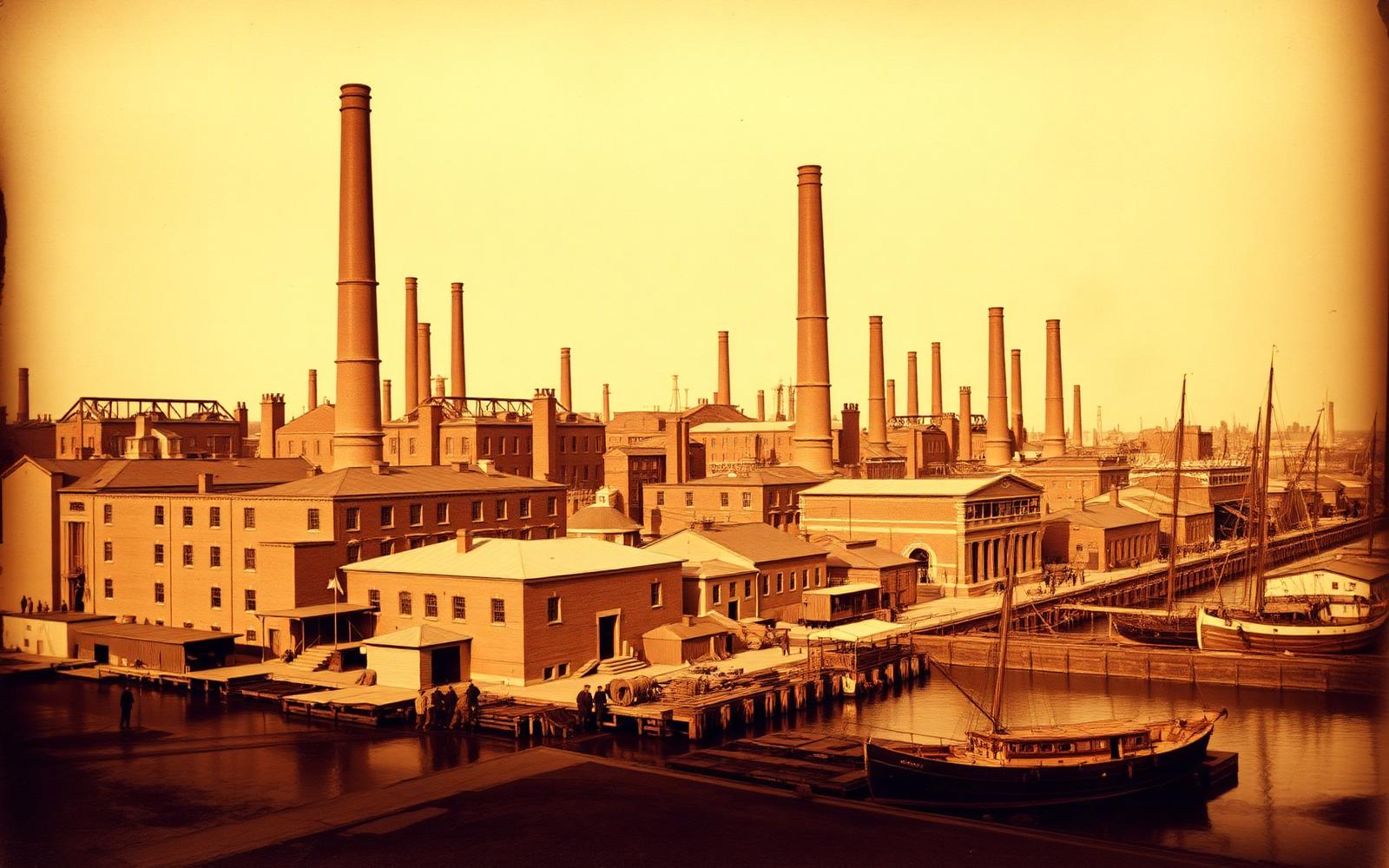
Wilmington becomes an industrial capital — shipbuilding, gunpowder, railcars, leather — and Old Swedes becomes the quiet green heart at the edge of the smoke.
- Photos
- Story
- Audio Narration
- QR
Reading
Immigrant families from Ireland, Italy, Poland, and beyond joined the congregation and the neighborhood. The Christina waterfront hummed with iron and coal.
Through it all the graveyard filled — millworkers, engineers, sea captains — and the church became a landmark on maps of a very different city.
A Story
The Foundryman's Widow
Anna Maria Sundström buried a husband, two sons, and eventually herself here between 1878 and 1911. Her stones tell the story of a working-class family in an industrial century.
Chapter VI · Landmark
1920–1990
20th Century
The tercentenary of 1938. The National Historic Landmark designation of 1961. The Hendrickson House restoration. Old Swedes becomes a place the nation recognizes.
- Photos
- Story
- Video
- Audio Narration
- QR
Reading
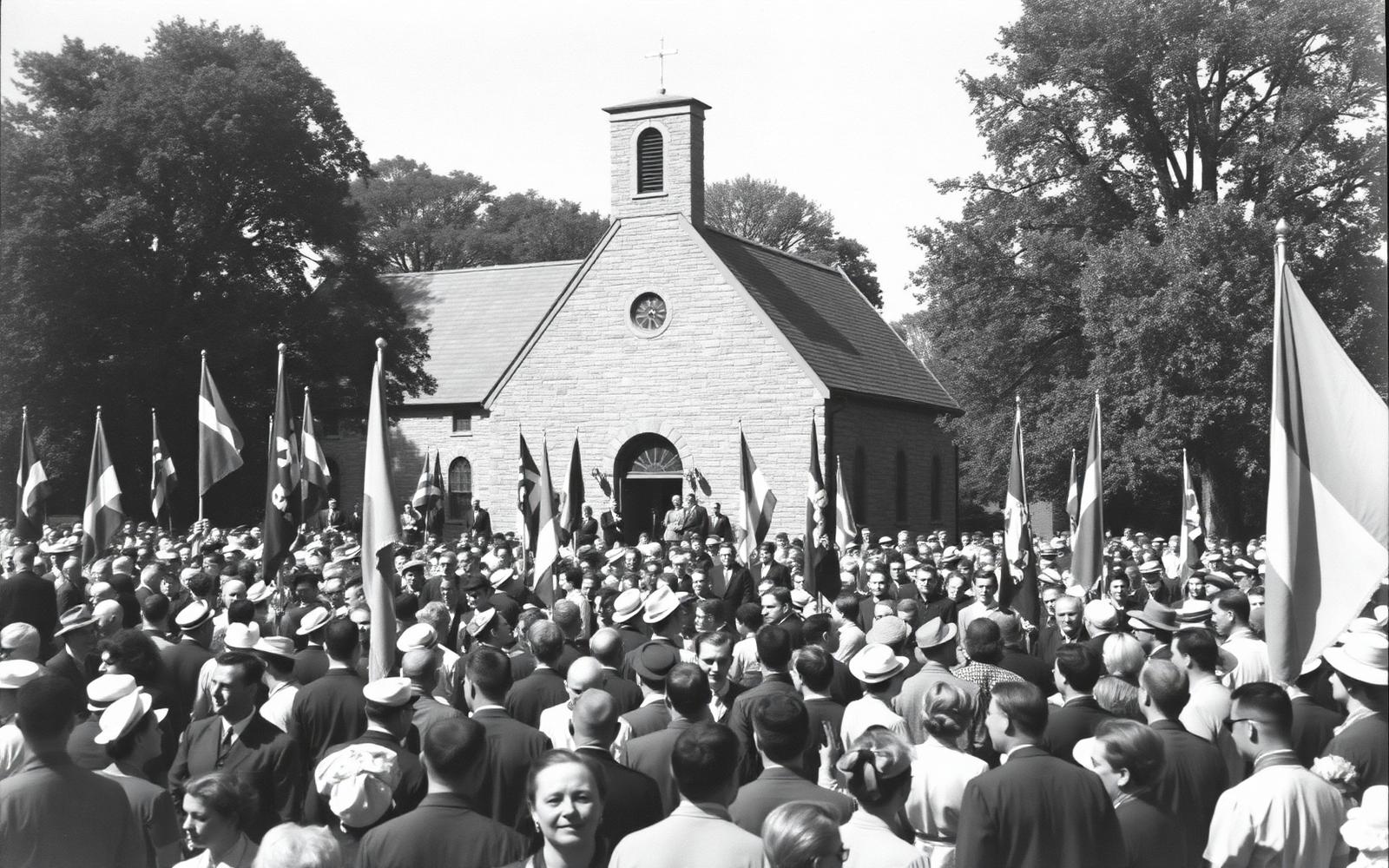
In 1938 Delaware marked three hundred years since the Swedish landing. In 1961 the Department of the Interior named Old Swedes a National Historic Landmark.
In 1959 the Hendrickson House — a 1690 Swedish colonial farmhouse — was moved to the grounds and later restored as the site's museum and welcome center.
A Story
Moving a House
The Hendrickson House traveled from Chester Creek, Pennsylvania, to Wilmington in pieces — every numbered stone reassembled on this ground.
Video
Chapter VII · Stone by Stone
1990–2020
Preservation
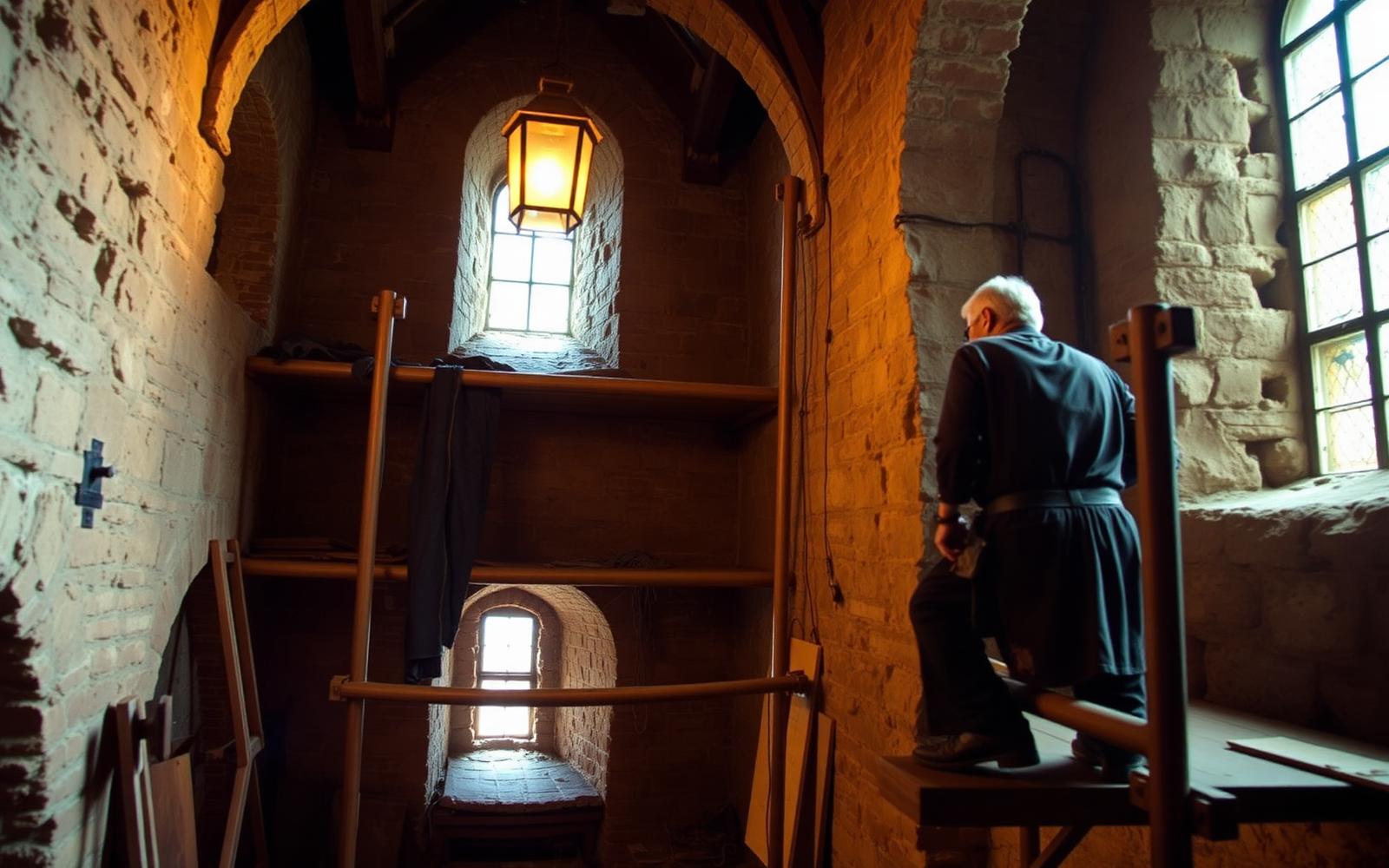
Roofs, mortar joints, stained glass, gravestones — a generation of preservationists and craftspeople hand this site to the next, intact.
- Photos
- Story
- Audio Narration
- QR
Reading
Every century of stone needs a century of care. Conservation campaigns rebuilt the roof, stabilized the tower, reset thousands of feet of pointing.
In the burial ground, laser-scanning and hand-cleaning brought worn markers back into legibility — and back into family history.
A Story
The Mason's Notebook
A working notebook from a 2004 restoration is now part of the archive: sketches, mortar recipes, the names of every mason who touched the walls.
Chapter VIII · A Living Commons
Today →
The Next Chapter
A museum. An amphitheater. A civic commons. Old Swedes' next chapter invites everyone into nearly four centuries of story — and asks what we build together now.
- Photos
- Story
- Video
- Audio Narration
- QR
Reading
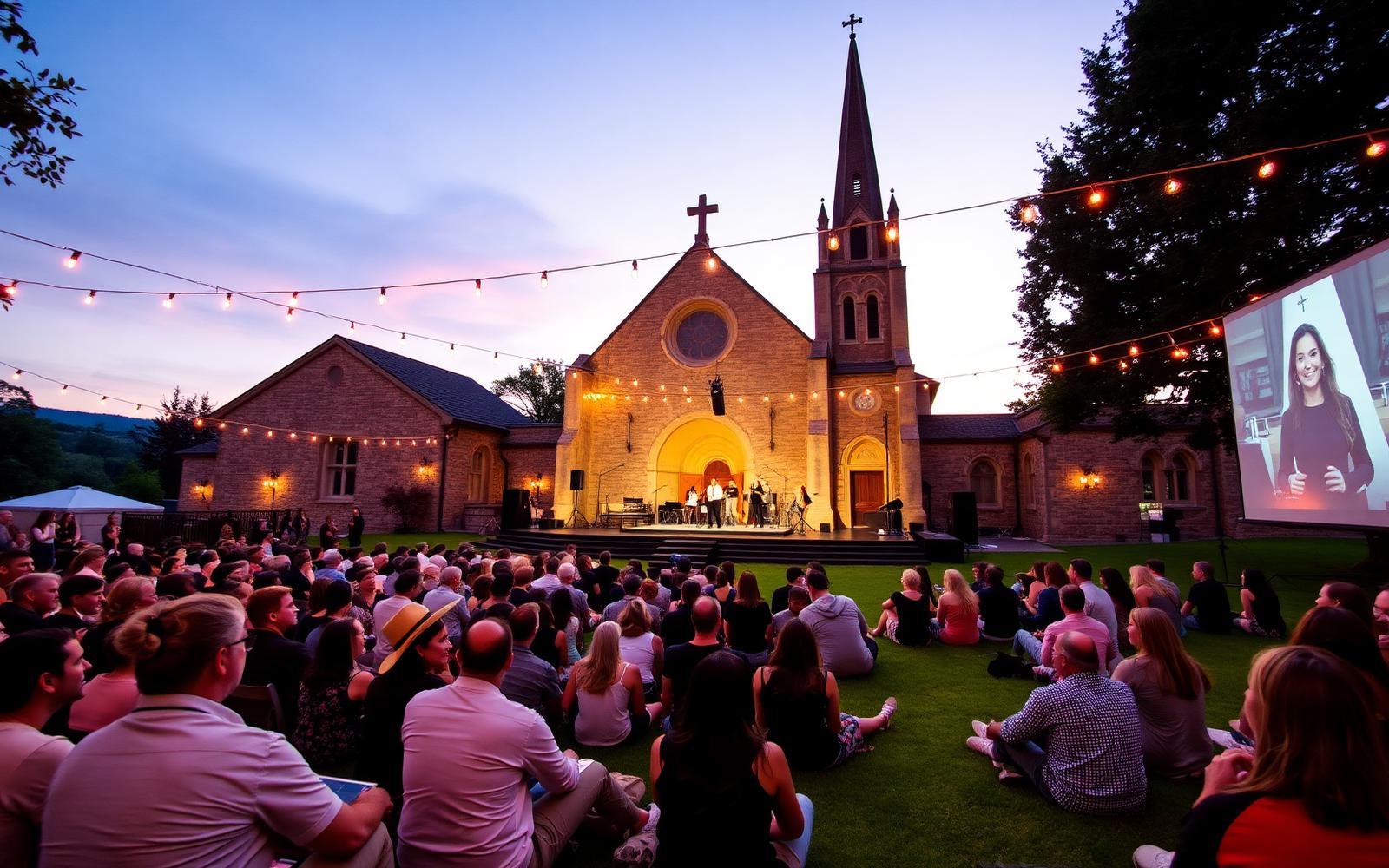
Concerts on the lawn. Lantern tours in the burial ground. School visits and Sankta Lucia. Genealogy days for descendants of every family that ever passed through.
The Next Chapter Initiative funds accessibility, interpretation, and programming — so the site can hold everyone who wants to come.
A Story
The Amphitheater
Under string lights and a rising moon, a thousand people can sit on this lawn. What we do together on this ground is now part of its history too.
Video
The Story Continues
Your visit becomes the next page.
Walk the burial ground. Sit under the amphitheater lights. Trace a family name in the register. Every visit adds a line to a story nearly four hundred years old.